Adipisicing voluptat
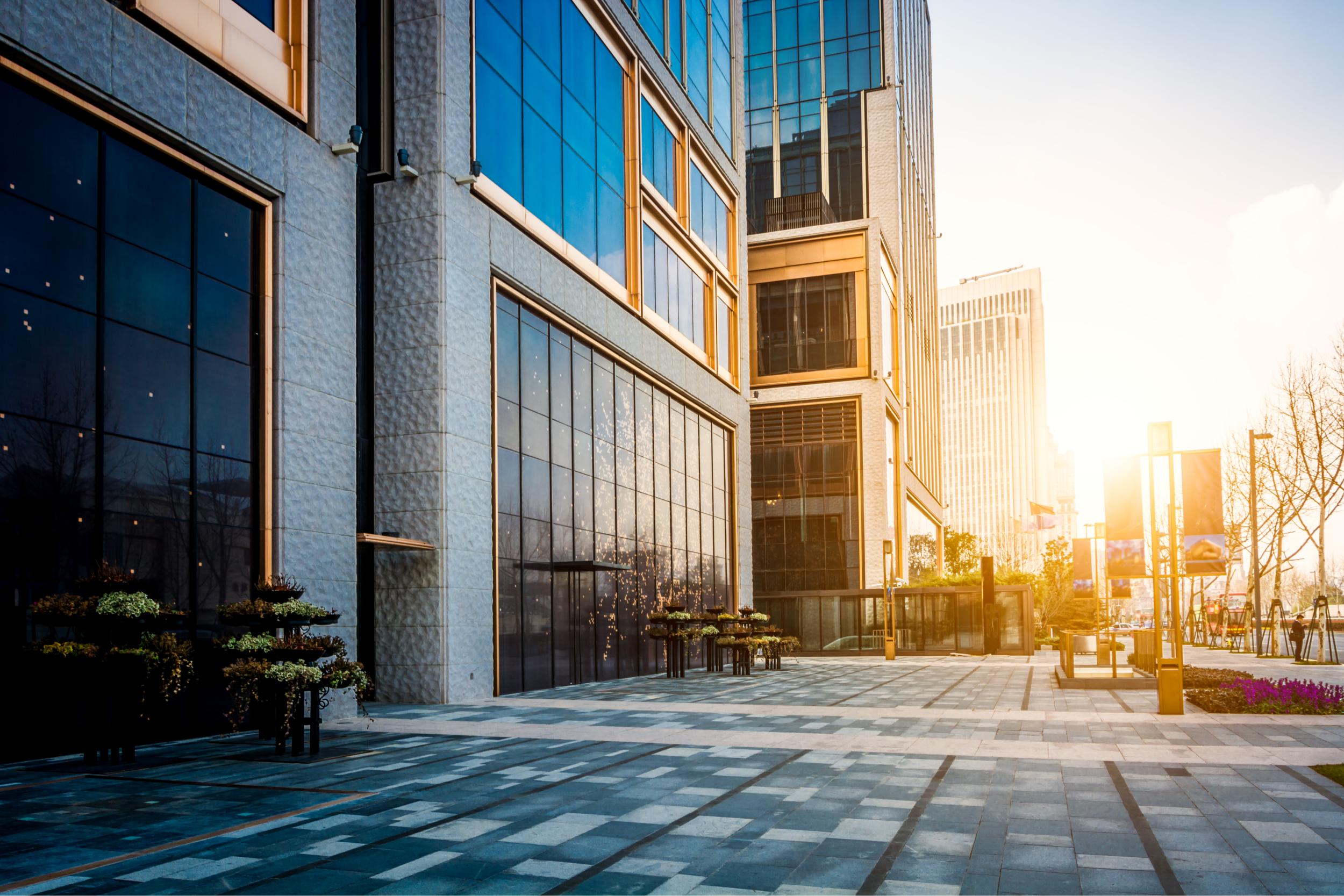
The Future of Real Estate Development in Emerging Markets
Real estate development is undergoing a massive transformation across emerging markets. Rapid urbanization, digital innovation, sustainability demands, and shifting buyer behavior are redefining how projects are planned, marketed, and delivered. Developers who understand these changes are positioning themselves at the forefront of a highly competitive industry.
Urban Growth and Smart Expansion
Emerging cities are expanding at unprecedented rates. Population growth, rural-to-urban migration, and infrastructure investment are fueling demand for residential, commercial, and mixed-use developments. However, expansion is no longer about building more — it is about building smarter.
Modern developments now integrate:
-
Smart home technologies
-
Energy-efficient systems
-
Sustainable materials
-
Integrated community spaces
-
Walkable environments
The focus is shifting toward creating self-sufficient communities rather than isolated buildings.
Technology Transforming Real Estate
Technology is no longer optional in real estate development. It plays a central role in every stage of the project lifecycle.
1. Digital Marketing & Virtual Tours
Buyers now expect immersive digital experiences. High-quality renderings, 3D walkthroughs, and drone footage allow investors and homeowners to explore properties remotely.
2. Data-Driven Decisions
Developers use analytics to understand market demand, pricing trends, and buyer preferences. This reduces risk and improves ROI.
3. Smart Construction Management
Project management software improves efficiency, reduces delays, and enhances communication between contractors, engineers, and stakeholders.
Sustainability as a Competitive Advantage
Sustainability is no longer a luxury — it is a necessity. Governments are introducing stricter environmental regulations, and buyers are becoming more conscious of energy consumption and carbon footprints.
Green buildings offer:
-
Lower operational costs
-
Higher long-term value
-
Improved occupant health
-
Stronger brand reputation
Developers investing in sustainable design today are building assets that will remain valuable for decades.
Changing Buyer Expectations
Modern buyers are not just purchasing property; they are investing in lifestyle. They seek:
-
Security and gated communities
-
Access to schools and healthcare
-
Recreational spaces
-
Retail and dining options
-
Flexible payment plans
Understanding these expectations is critical for project success.
Investment Opportunities
Emerging markets continue to attract both local and international investors. With growing middle-class populations and infrastructure development, real estate remains one of the most stable investment vehicles.
However, success requires:
-
Strong feasibility studies
-
Transparent financial planning
-
Market research
-
Strategic location selection
Conclusion
The future of real estate development lies in innovation, sustainability, and customer-centric design. Developers who embrace technology, prioritize environmental responsibility, and understand market dynamics will lead the next generation of transformative projects.
The industry is evolving — and those prepared to adapt will thrive.